Industrial batteries and BESS systems
6 models — cabinets of 233–418 kWh and containers of 2,170–5,015 kWh — for solar PV plants, factories, EV charging sites and grid services. All use lithium iron phosphate (LFP) cells with liquid cooling, a BMS and fire suppression. SIGMA BESS sizes them for your site, supplies them and commissions them.
All models
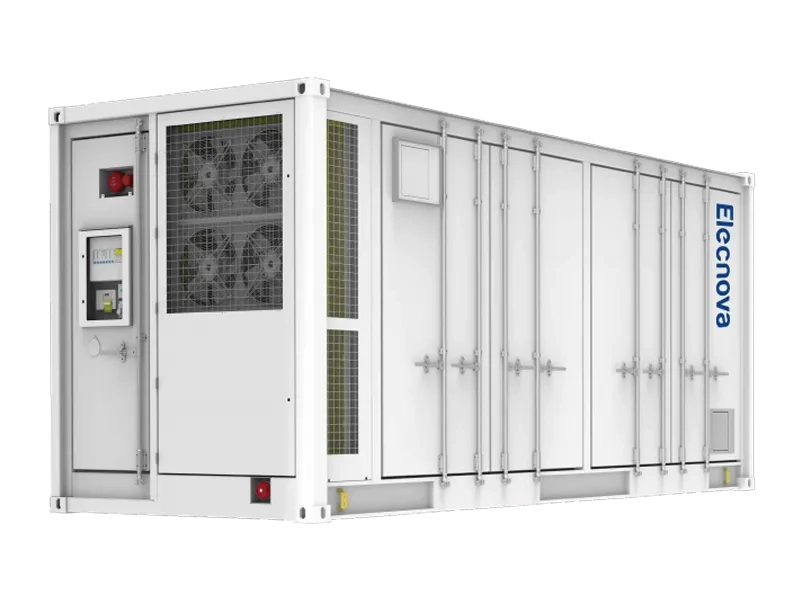
ECO-B20FT5015LP-2
5.015 MWh, 20 ft battery container for large industrial and grid projects.
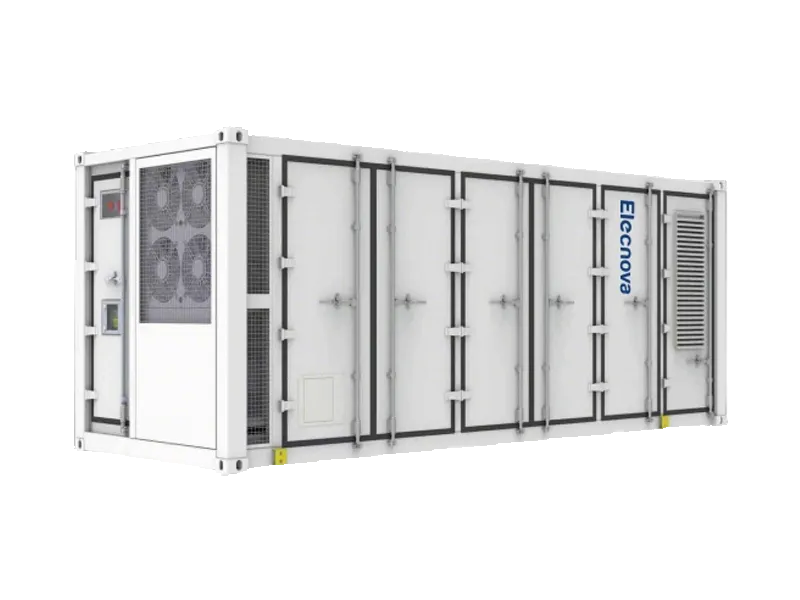
ECO-E20FT2170LP-2
20 ft container with batteries, PCS, EMS and fire suppression in one unit.
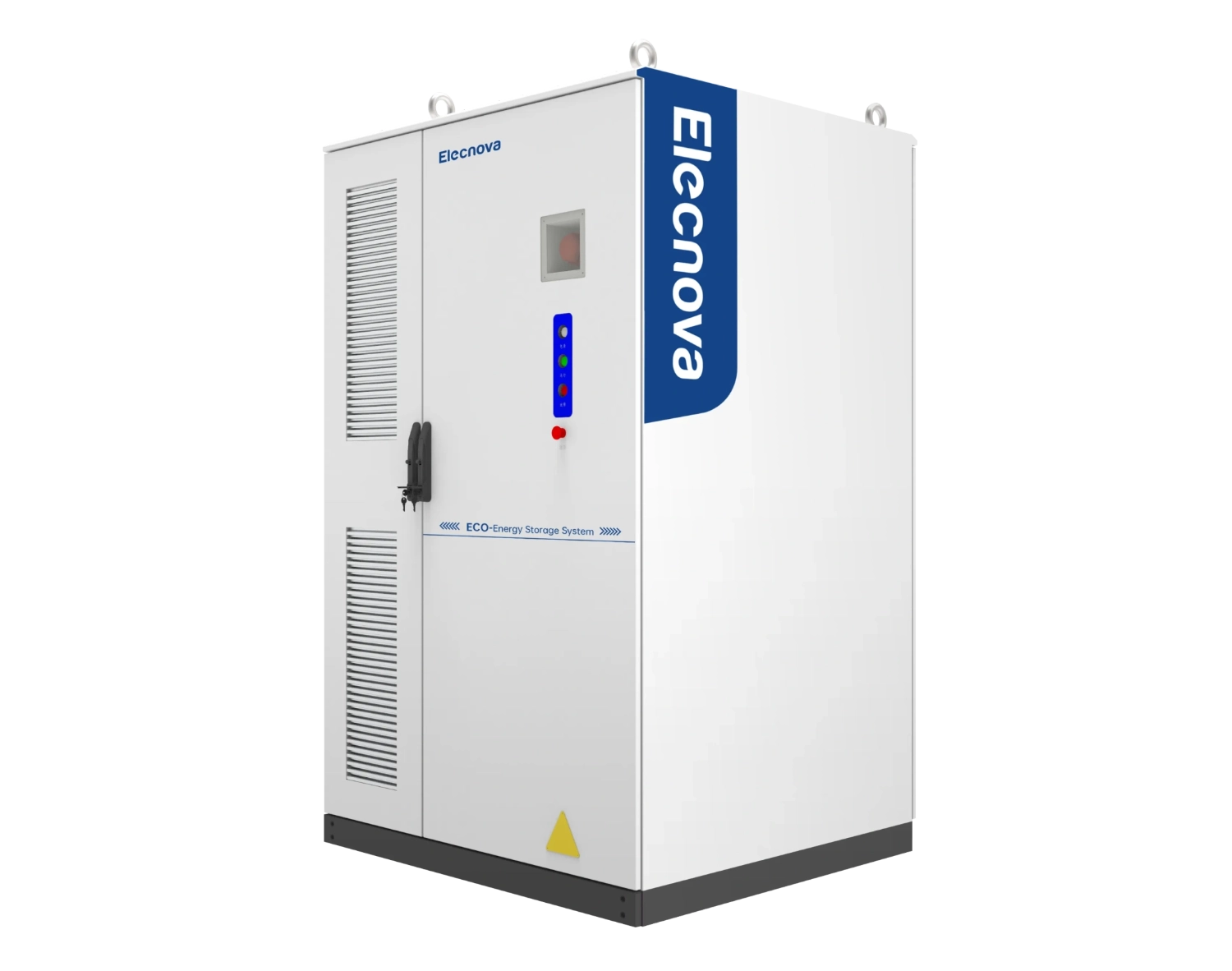
ECO-E418LP-A40
418 kWh cabinet with three output options — 400, 690 and 800 V.
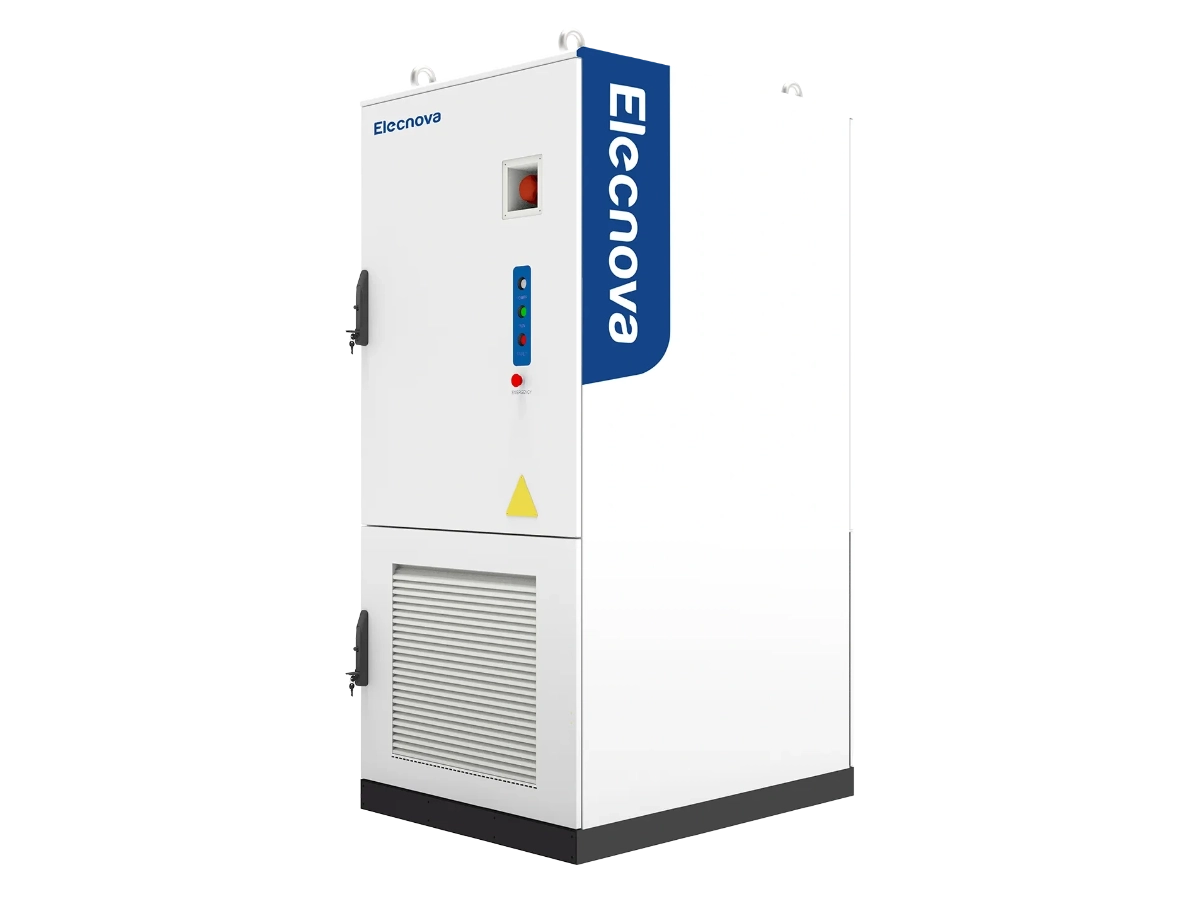
ECO-E261LP-2A
Compact 261 kWh cabinet for a 400 V connection.
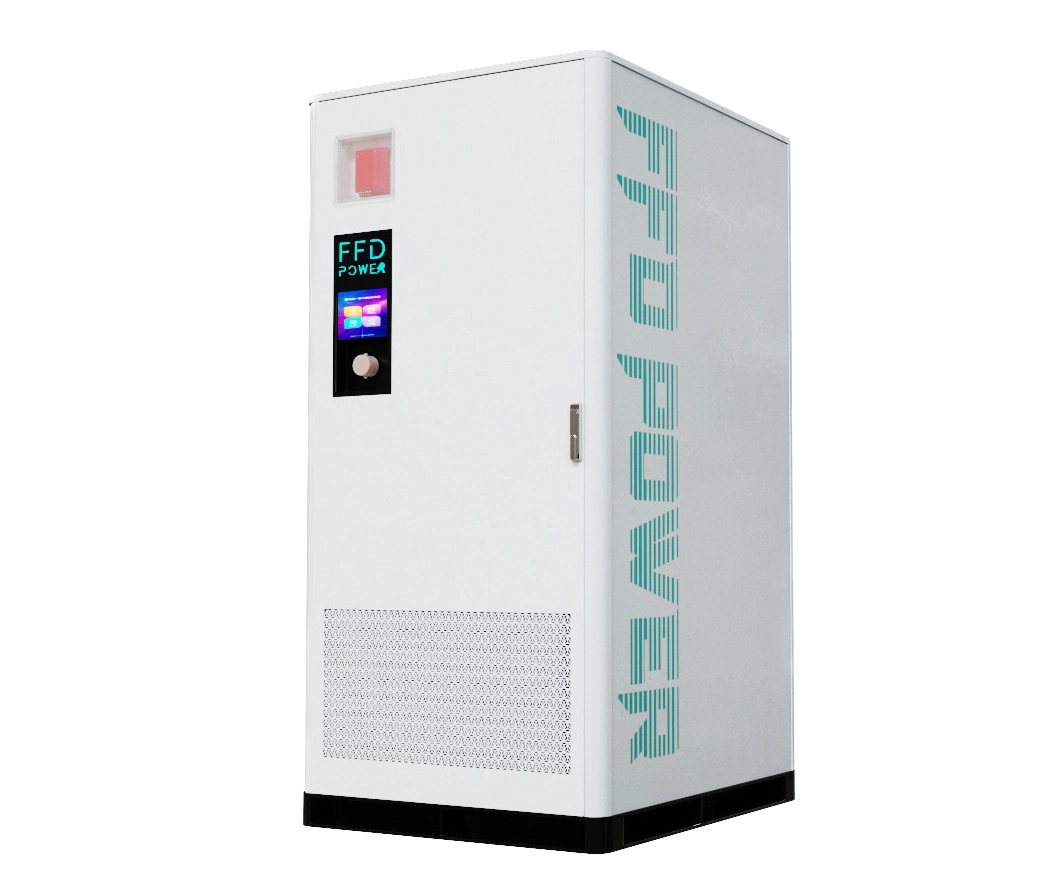
Galaxy 233L-AIO-2H
100 kW / 233 kWh cabinet with CATL cells and a Kehua PCS.
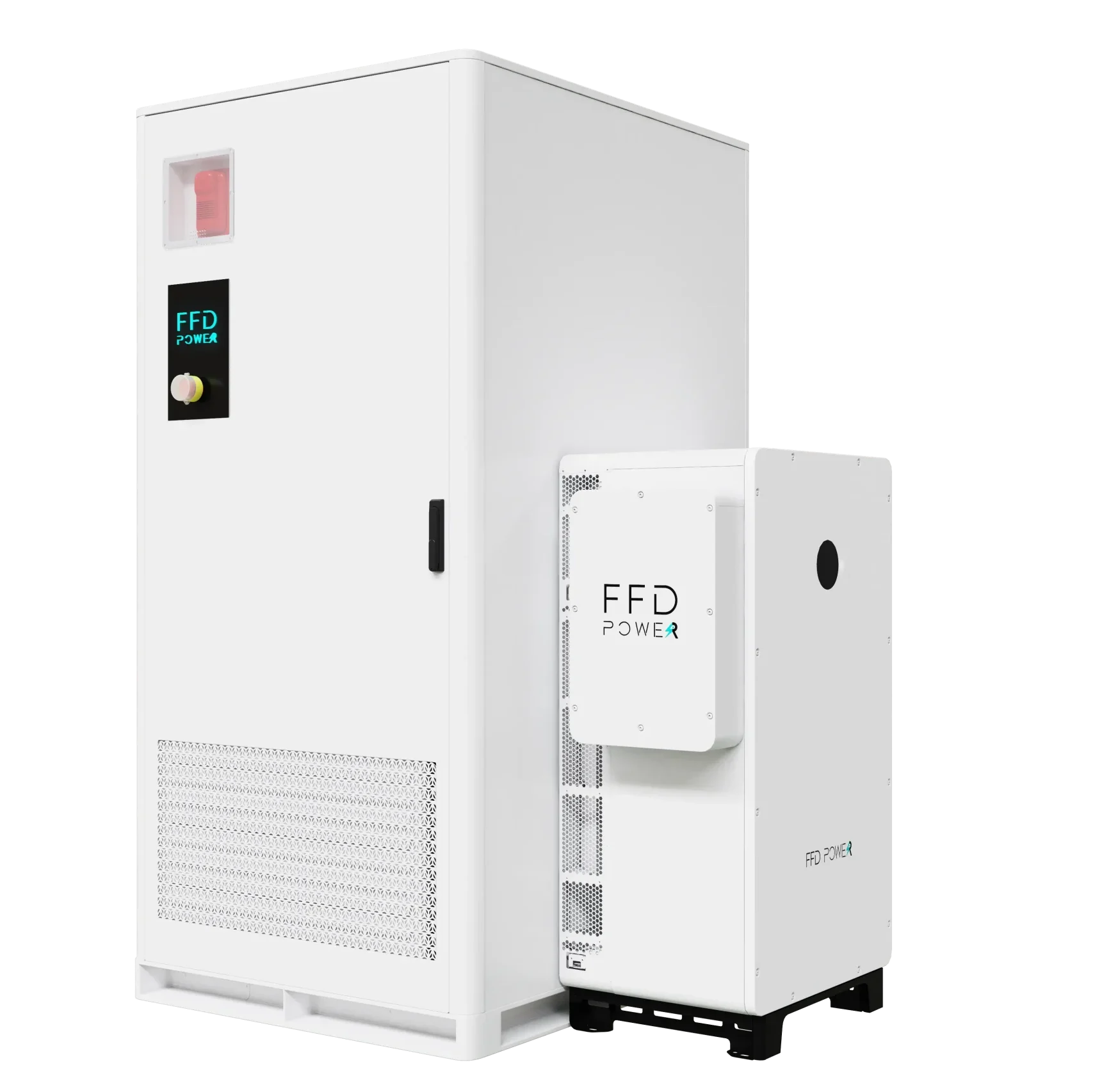
Galaxy 261L + 100 kW
All-in-one microgrid with a hybrid inverter for island operation.
Model comparison
The main differences at a glance. The full specification and datasheet are on each model's page.
| Model | Type | Capacity | Power | Best for |
|---|---|---|---|---|
| ECO-B20FT5015LP-2 | 20 ft DC container, external PCS | 5,015 kWh | 1.25–2.5 MW | Large PV plants and grid projects, balancing (FCR, aFRR), arbitrage |
| ECO-E20FT2170LP-2 | 20 ft all-in-one container | 2,170 kWh | 1,000 kW | Large sites and PV plants above 1 MW: self-consumption, arbitrage, peak shaving |
| ECO-E418LP-A40 | All-in-one cabinet, 400 / 690 / 800 V | 418 kWh | 100 / 210 kW | Mid-size sites and PV plants; the 690 and 800 V variants connect to a transformer |
| ECO-E261LP-2A | All-in-one cabinet, 400 V | 261 kWh | 125 kW | Small and mid-size sites: PV self-consumption, arbitrage, peak shaving |
| Galaxy 233L-AIO-2H | BESS cabinet, 400 V | 233 kWh | 100 kW | PV and hydro plants and sites that must keep running during outages |
| Galaxy 261L + 100 kW | Microgrid: battery + hybrid inverter | 261 kWh | 100 kW | Off-grid or weak-grid sites: 50–80 kW load and 100–160 kW of PV |
The power of the 5 MWh container depends on the external converter (PCS) chosen. The 418 kWh cabinet is 100 kW at 400 V (A40) and 210 kW at 690 and 800 V (A69, A80).
How to choose a battery
Four questions that decide which model fits the site.
Capacity and power
Capacity (kWh) is how much energy the battery holds; power (kW) is how fast it delivers it. Their ratio sets the discharge time: 233 kWh at 100 kW gives about 2.3 hours.
Cabinet or container
Cabinets (233–418 kWh) suit most commercial sites and PV plants and can be connected in parallel when more capacity is needed. Containers (2,170–5,015 kWh) are for large industrial sites, power plants and grid projects.
Connection voltage
Most sites connect at 400 V. The 418 kWh cabinet also comes in 690 V and 800 V variants for connection to a transformer with that voltage, and the 5 MWh container is a DC block that works with an external converter (PCS) and transformer.
Running through outages
If the site must keep running when the grid fails, choose a model with island mode — the Galaxy 233L or the ready-made Galaxy 261L microgrid with a hybrid inverter. Without that requirement, the choice comes down to capacity, power and the grid connection.
How much does an industrial battery cost?
The price depends on capacity and power, the connection voltage, whether a transformer or an external converter is needed, and on installation and commissioning. That is why we quote per site: send your load profile and PV data and we return a configuration, a single-line diagram and an indicative price.
You can already see what the battery would earn: every model's page shows a calculation on real exchange prices from the last 7 days, and its calculator takes your own PV and load.
Questions and answers
Can more batteries be added later?
Yes. The cabinets connect in parallel, so the system can grow with the site, and the Galaxy 261L expands to 10 modules. The extension can be planned when the first stage is sized.
Which certifications do the batteries have?
All models comply with IEC 62619 (safety of industrial lithium batteries), and most also with IEC 63056 and have been tested to UL 9540A. Grid-code compliance (e.g. EN 50549 and VDE) and the exact list for each model are in its specification and datasheet.
Can our own contractor install the system?
Yes. We supply the system with a single-line diagram and installation guidance, then commission it together with your EPC contractor and train your team.
Send your load profile and PV data — we return a configuration, a diagram and an indicative price.